
Products
HSOP (Hokkaido Scallop Oil Plasmalogen)
HSOP (Hokkaido Scallop Oil Plasmalogen) is a functional ingredient containing plasmalogens, naturally occurring lipids derived from scallops and known for their distinctive biological functions.
Development Background
– A unique lipid abundant in the brain, revealed through over a century of research –
Plasmalogens were first discovered more than 100 years ago by German cytologists as an unknown lipid component. For many decades, however, their biological functions and physiological roles remained largely unclear. A major turning point came in the late 1990s, when studies reported reduced levels of plasmalogens in the brains of patients with Alzheimer’s disease. These findings attracted considerable attention to plasmalogens as important molecules potentially involved in cognitive function. With subsequent advances in extraction and purification technologies, research on plasmalogens accelerated, and their diverse physiological roles have since been uncovered. Today, these developments have made it possible to use plasmalogens as dietary supplement ingredients. They are now available in forms such as soft capsules and tablets, making them easier to take.
Carefully Selected Scallops
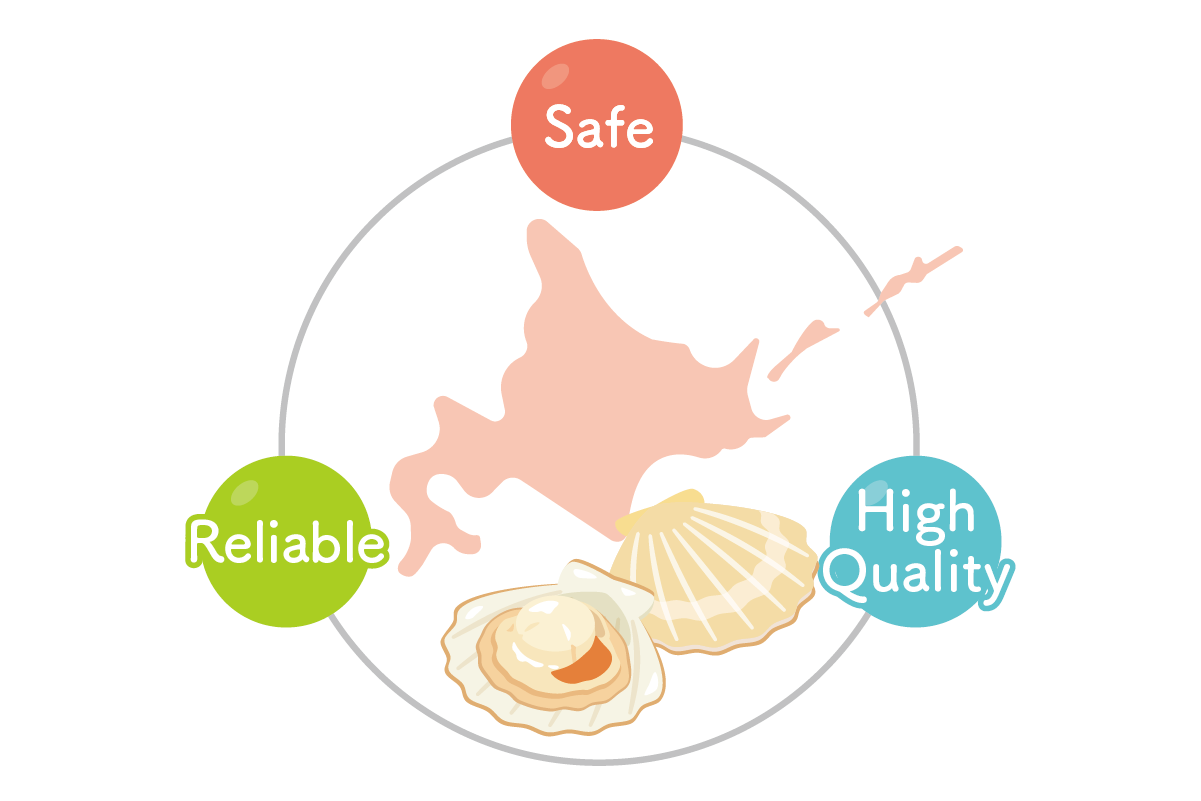
HSOP contains plasmalogens derived exclusively from high-quality scallops harvested in Hokkaido, Japan. Scallop-derived plasmalogens are characterized by their well-balanced composition of unsaturated fatty acids essential for brain and nervous system function, including docosahexaenoic acid (DHA) and eicosapentaenoic acid (EPA). Notably, these types of plasmalogens are the same types that are abundantly found in the human brain.
DHA and EPA are nutrients found in oily fish such as mackerel and sardines. However, in modern dietary habits, it can be difficult to obtain sufficient amounts consistently through daily meals, and many people are thought to be chronically deficient in these nutrients.
Scallop-derived plasmalogens have been reported to help maintain certain aspects of cognitive function in healthy older adults, including spatial orientation (the ability to recognize and understand one’s location).
What Are “Foods with Function Claims”?
HSOP has been notified as a product under Japan’s “Food with Function Claims” system.
Foods with Function Claims are foods that allow functional benefits to be clearly indicated based on scientific evidence under the responsibility of the business operator. Under this system, information regarding safety and scientific evidence supporting the claimed functions must be submitted to the Secretary-General of the Consumer Affairs Agency prior to marketing. Products are managed within this framework from both safety and functionality perspectives. Based on scientifically supported information, these foods can be used with confidence by consumers.
Functions of Plasmalogens
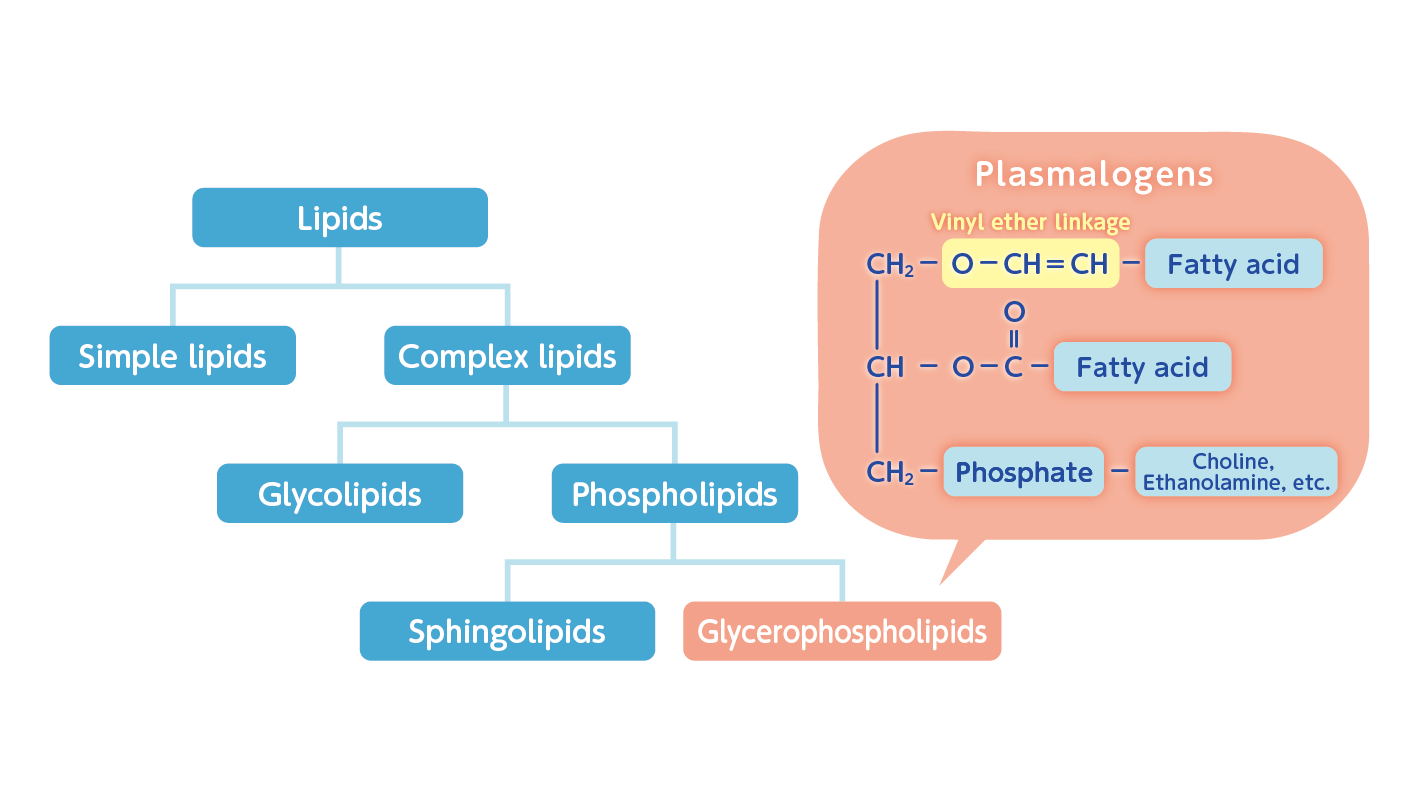
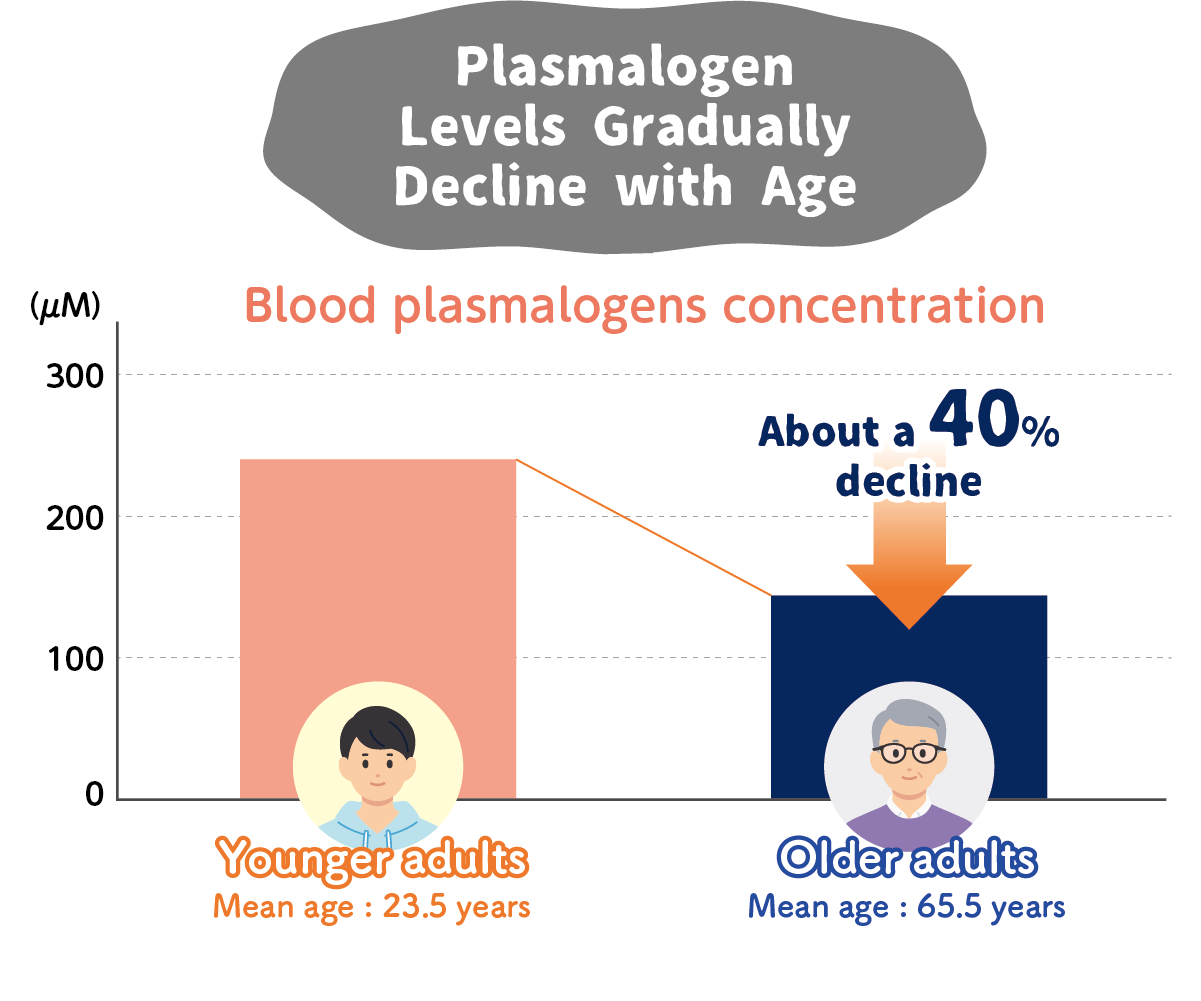
Plasmalogens are a type of phospholipid found in the human body and account for approximately 20% of total phospholipids. They are particularly abundant in tissues such as the brain, heart, and skeletal muscle, which have high oxygen demands. However, their levels in the body are known to decline gradually with age.
Plasmalogens are also considered difficult to obtain from a normal diet because they are sensitive to heat and acidic conditions.
This sensitivity is due to a characteristic chemical bond within the molecule. This unique bond structure also enables plasmalogens to exert distinctive physiological functions that are not found in ordinary phospholipids.
Major Functions of Plasmalogens
1. Antioxidant Function
Plasmalogens are highly susceptible to oxidation and protect cells from oxidative stress by being oxidized themselves.
2. Regulation of Cell Membrane Structure
Plasmalogens are components of cell membranes and help maintain membrane flexibility and fluidity.
3. Signal Transduction
Plasmalogens are structural components involved in communication within and between cells through chemical signals such as hormones and neurotransmitters, and in the regulation of immune responses.
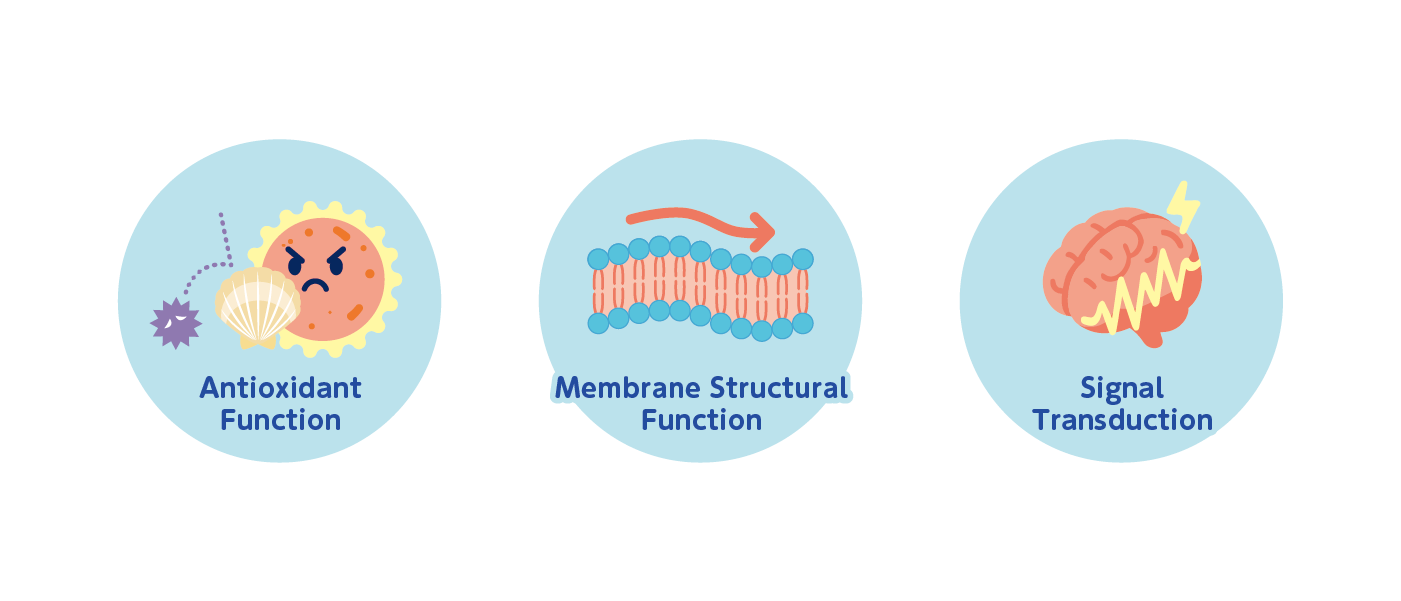
Through these combined functions, plasmalogens have been suggested by various studies to contribute to maintaining memory and learning, reducing the risk of age-related cognitive impairment and Alzheimer’s disease, as well as supporting emotional well-being and improving sleep quality.
Plasmalogens are found in meats such as beef, pork, and chicken, as well as in certain marine organisms such as sea squirts. In particular, scallop-derived plasmalogens have attracted attention for their potential to support cognitive function in older adults.
Plasmalogens in Modern Society
The Global Challenge of Population Aging
The world is now facing an unprecedented and rapidly accelerating wave of population aging. According to United Nations projections, the global population aged 65 and over is expected to reach 1.6 billion by 2050, meaning that approximately one in six people worldwide will be elderly. Along with this demographic shift, the number of people living with dementia is also expected to exceed 150 million.

Maintaining Cognitive Function for Healthy Aging
Cognitive function gradually declines with age. To lead a healthy and vibrant daily life, it is recommended to start taking preventive measures now to help maintain these functions.
Regular physical activity, a balanced diet, quality sleep, and effective stress management are all considered beneficial habits for maintaining brain health. If you are considering incorporating supplements into your routine more proactively, plasmalogens may be a helpful option.
Plasmalogens are functional compounds identified through continued scientific research. Numerous studies suggest that they may support cognitive function through several mechanisms, including the suppression of neuroinflammation, the inhibition of amyloid-β accumulation, and the protection of neuronal cells. Although plasmalogen levels decline in the body with age, they can be supplemented through dietary intake.
For a Healthy and Active Future
Our website features a variety of articles written by physicians and experts to help support the maintenance and improvement of your health. We invite you to explore these resources.